Walk onto any busy building website and you can feel it quickly: white card adelaide training sound, activity, time stress, completing priorities. Danger hides in the spaces in between what individuals plan and what individuals comprehend. Those gaps are nearly constantly interaction problems.
That is why the Australian white card, and specifically the system CPCWHS1001 Prepare to function securely in the building industry, is structured the means it is. On paper it covers risks, PPE, website regulations and emergency situation procedures. In technique, when it is delivered well, it trains individuals to speak out, pay attention appropriately, read the site, and join a security culture that currently exists.
I have actually seen both sides. Groups where WHS interaction lives and constant, and sites where everybody technically has a building and construction induction card however no one in fact talks about danger. The difference receives the case data, yet it additionally displays in the means individuals walk throughout the piece at 3 pm on a Friday.
This article checks out just how CPCWHS1001 can be greater than just a white card course. Utilized appropriately, it comes to be the entry point to a safer, extra communicative workforce across building and construction, mining, civil, and even movie collections and realty inspections.
Why WHS communication stops working on actual sites
Communication in building and construction does not fall short because workers are negligent. It falls short since the atmosphere is piled versus clear, patient conversation.
On a typical industrial construct you have several trades chasing the very same days under the Building Construction Award 2020 or similar arrangements, subcontractors transforming weekly, plant relocating continuously, and style updates touchdown after job has already begun. New starters may have a fresh white card but no context for that particular site.
The common failing factors repeat from work to work:
Workers do not feel they have authorization to question decisions. An initial year apprentice who has actually just met the foreman will seldom test a hurried direction, even if it looks harmful. That is not an understanding problem. It is an interaction and society problem.
Supervisors assume too much anticipation. I have viewed leading hands indicate the opposite of a noisy piece and scream, "Simply get hold of the gear and established there," with no information concerning exclusion zones, overhead work or live services.
Documentation is treated as lawful cover, not as a live communication tool. SWMS, building site indicators, emergency situation treatments and PPE regulations usually wind up as wallpaper. People skim them as soon as and never ever revisit them, after that rely upon casual shortcuts.
Language, literacy and experience distinctions are ignored. White card training attempts to link this, however on website it only works if supervisors maintain that attitude. Migrant employees, young pupils and seasoned drivers usually analyze the very same guideline extremely differently.
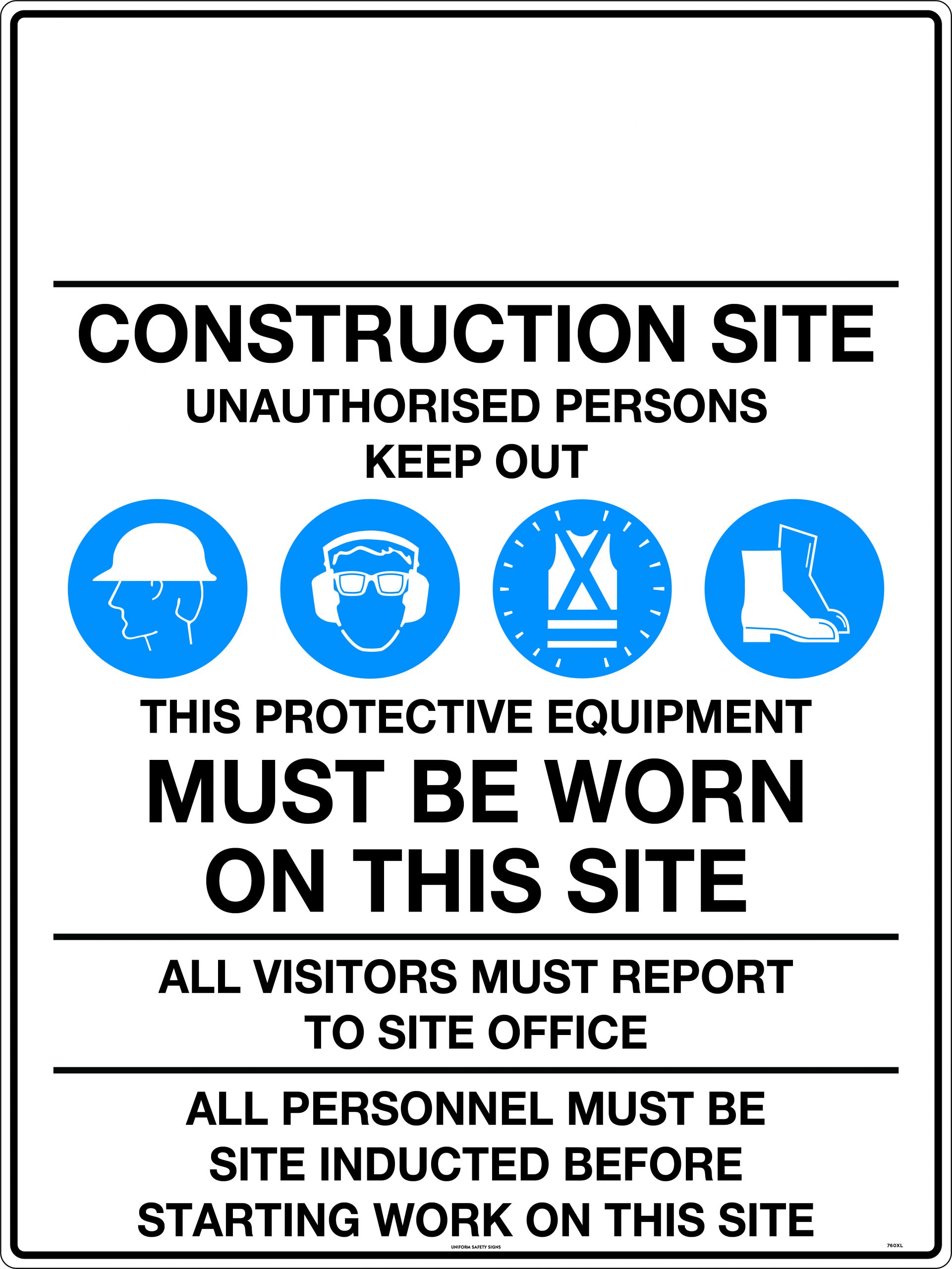
CPCWHS1001 is not a magic fix. What it can do, if instructors and employers treat it as greater than a tick box, is begin people thinking about safety as a conversation they are expected to join.

What CPCWHS1001 truly covers, beneath the surface
The official title is CPCWHS1001 Prepare to work safely in the construction industry. It coincides core unit provided throughout Australia for the white card: in Adelaide, Darwin, Hobart, Perth, Sydney, Brisbane, Melbourne and local centres.
On the surface, the subjects recognize: determining risks, recognizing building emergency treatments, choosing PPE, reporting events, and understanding fundamental WHS rights and duties. Beneath, every part of the unit depends on communication.
When a fitness instructor goes through common threats such as operating at heights, silica dirt on building and construction sites, sound on a building and construction site, asbestos on older builds or live electric work, the key is not just "recognize the danger". It is "identify when to stop and talk prior to you touch it".
A solid CPCWHS1001 course must constantly loop back to concerns such as:
Who do you talk to if something does not look precisely a site you have actually never ever seen before?
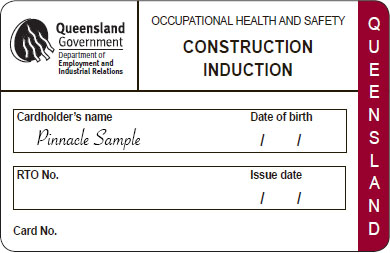
What information do you definitely need before you start a task, and just how do you request for it?
How do you interact danger to a person who knows much less than you, such as a visitor, shipment motorist, or junior labourer with their first white card?
The authorities discovering outcomes point out "making clear guidelines", "seeking advice" and "reporting dangers". Way too many white card courses skim these as concept. In method, they are the backbone of WHS communication.
The white card as a common safety language
The Australian white card has a straightforward objective: every worker, manager, surveyor, engineer and project supervisor that steps onto a construction site must share a minimum degree of security understanding. That is why electrical experts, plumbings, painters, carpenters, labourers, website supervisors, realty agents examining insufficient builds, and even some shipment chauffeurs require it.
This shared base is what lets teams interact effectively without clarifying everything from the ground up. When a supervisor claims, "That appears like asbestos, quit working up until we validate," the assumption is that every person comprehends why asbestos on building and construction websites is discriminated, and that quiting working is the correct response, not an overreaction.
The white card course content is designed to develop that typical language around:
Basic danger ideas, such as "threat", "risk control", "hierarchy of control"
Key sorts of dangers - falls, mobile plant, structural collapse, confined rooms, unsafe substances, hands-on handling, dust, sound, heat stress, electricity
Standard controls, such as PPE on a construction website, protecting on plant and devices, lockout treatments, watchmans for dogging and rigging, seclusions prior to demolition or excavation
Site guidelines, like following building site indications, appreciating exclusion areas, comprehending that can offer what instructions
During team white card training, you can really watch this shared language kind. A combined course of new entrants, fully grown age trainees, and skilled employees freshening their understanding will certainly begin a session speaking in different terms. By the afternoon, they are frequently dealing with each other's terms and relating it to their very own trades.
That matters later on, when somebody screams "Hold up, hands-on handling threat there," and people know that means more than simply "heavy".
From concept to website reality: instances from the field
Consider a little Adelaide property site. The building contractor has numerous pupils and casual labourers, a number of woodworkers, and different subcontractors biking via for roof, plumbing and electrical job. Everybody has actually completed a white card course, some just recently, some years back interstate.
One afternoon, a labourer with a fairly new South Australian white card notifications great dirt dangling in the air after chasing a wall surface. He remembers the area of CPCWHS1001 concerning silica dirt in construction, and as opposed to thinking it is "just a little bit of dirt", he walks over to the website supervisor.
Instead of saying nothing, he claims, "Friend, is this going after planned in the SWMS? Do we have the ideal vacuum and masks for crystalline silica?" That basic inquiry alters the remainder of the mid-day. Air flow improves, proper PPE appears, and the task timetable shifts.
The bottom line is not that the labourer remembered a truth concerning silica. It is that his white card training gave him the expectation that he need to speak up and some language to do it without seeming like he was accusing anyone.
I have seen similar shifts with:
New to construction workers who found out in their CPCWHS1001 program how to check out building and construction website indicators, and after that made use of that ability to lead site visitors a lot more safely via active zones
Experienced carpenters that knew only during white card training that heat anxiety in building and construction is an official risk, not just "toughing it out", and began checking in on younger workers during really warm days
A project designer who had no profession history but acquired an Australian white card, after that utilized that base recognizing to ask far better questions during pre-starts about lifting plans and plant equipment safety
These are the little modifications that, summed throughout numerous choices weekly, maintain a website out of trouble.
Communication patterns CPCWHS1001 intends to instil
When I look at a white card course as a safety specialist, I do not just see material. I see the interaction patterns it is trying to seed.
First, it educates individuals to question. Whether you are doing the program in Hobart, Darwin, Perth or Adelaide, there is constantly a section on rights and obligations. Employees are informed they deserve to decline harmful job and the obligation to adhere to practical safety and security directions. That pairing matters. It normalises the concept that pushing back on hazardous guidelines is not disloyal, it becomes part of the job.
Second, CPCWHS1001 develops basic monitoring behaviors. When instructors talk about dust, sound, plant movement, live solutions or hand-operated handling, they are offering people mental lists. Gradually, workers start discovering what they formerly neglected: missing out on protecting, blocked fire escape, unsecured ladders, untagged electrical tools.
Third, the unit stresses clarity. There is usually conversation around miscommunication on busy sites, and just how to duplicate back guidelines or make clear unpredictabilities. You see this flow on right into much better toolbox talks, clearer directions to apprentices, and much more structured handovers between shifts.
Finally, it introduces official coverage pathways. Even laid-back labourers and pupils read about case coverage, near miss out on reporting, and that to inform. When that is backed by a manager who in fact desires those records, not just endures them, communication begins to run both ways.
The white card, apprenticeships and getting going in construction
Many individuals very first experience CPCWHS1001 when they are considering building and construction apprenticeship requirements or attempting to get their very first labourer task. They ask the fundamental concerns: What is a white card? Can I do white card online? The length of time does a white card course take? How much does a white card cost?
For beginning employees, the course usually doubles as an intro to exactly how individuals talk on website. When I educate new apprentices, I pay attention to exactly how they talk about risk during the analysis. The official white card evaluation questions matter, yet their stories matter more.
Someone who describes a near miss out on with information, who names the threats, controls and communication steps involved, is typically the kind of individual who will certainly integrate well right into a safety mindful team. A person who only talks about "things takes place" or "we just obtained it done" might require more coaching.
There is a typical idea that the white card course is hard or full of trick concerns, particularly when people search for CPCWHS1001 white card responses or white card examination questions and responses. The fact is that the device is simple if you listen and ask questions about anything you do not understand.
In great training courses, the analysis becomes a chance to practice safety language. Instead of birding "make use of PPE", trainees should explain what PPE, in what scenario, and that they would talk with if it is not readily available. That is where understanding converts into interaction skill.
Face to face, online and onsite: which white card delivery helps groups most?
Different states and territories take care of white card distribution in different ways. Some allow online training under particular conditions, https://cashmgac717.tearosediner.net/white-card-wa-recognition-revival-and-interstate-transfers others, such as New South Wales, have actually relocated strongly toward in person delivery. Employers frequently ask whether they can schedule group white card training onsite, or if personnel should most likely to a training centre.
There is no single answer, however from a communication and group safety and security viewpoint, specific patterns are clear.
Face to face white card training, whether in Adelaide, Darwin, Hobart, Perth or Sydney, typically provides the wealthiest interaction. People can ask site details inquiries, fitness instructors can evaluate understanding from body movement, and tasks like function plays or team danger identifying ended up being possible. For groups, scheduling team white card programs permits you to start constructing a common vocabulary before employees also step onto your project.
Onsite white card training has additional benefits. When I supply CPCWHS1001 on an active site, I can stroll participants bent on see actual plant, scaffolds, excavations or live services from a safe distance. We can go over actual construction emergency procedures, not generic instances. The group then goes back to collaborate with shared photos in mind, which tightens communication white card providers port adelaide later.
Online white card training courses, where enabled, can still be effective for inspired individuals, especially in remote areas or for individuals handling other work. The risk is that individuals treat it as a fast tick instead of a crucial induction into WHS interaction. Employers who depend greatly on online white card Australia broad need to compensate with strong, interactive website inductions and continuous tool kit talks.
Regardless of layout, the objective coincides: people ending up CPCWHS1001 needs to feel ready to ask clear questions, to explain fundamental threats, and to get involved actively in safety and security discussions.
Turning white card understanding into day-to-day site conversations
The most common void I see is in between what employees as soon as addressed properly on a white card examination and what they really discuss throughout a hurried day on site.
Bridging that gap requires conscious behaviors from managers and workers.
Here is a portable collection of techniques that accurately raise WHS interaction, built on what CPCWHS1001 introduces.
Start each change with a short, concentrated safety discussion that uses white card language: threats, threats, controls, responsibilities. Encourage employees, particularly those brand-new to building and construction, to repeat back complicated instructions and ask at the very least one making clear concern if they are unclear. During walkarounds, ask open inquiries, such as "What risks can you see right here?" as opposed to lecturing. Treat every near miss record as valuable, respond visibly, and enhance that speaking out is expected, not outstanding. Regularly ask employees to discuss website emergency procedures in their very own words, and correct spaces immediately.None of these call for new paperwork, just deliberate use the interaction devices that CPCWHS1001 presents in theory.
WHS communication across duties: not simply for labourers
There is a persistent false impression that the white card is primarily for labourers. In practice, numerous roles need a construction induction card: project managers, managers, designers, surveyors, real estate representatives inspecting incomplete builds, some film team utilizing construction websites as sets, and even logistics employees who on a regular basis go into sites.
For project managers and site supervisors, having an existing white card is the bare minimum. Much more notably, they must model the interaction behaviors the device describes. When a PM reduces a tool kit talk short, talks over quieter workers, or disregards danger reports, it tells everybody that CPCWHS1001 was just a legal hurdle, not an actual expectation.
Engineers and surveyors with limited profession history often count greatly on the concepts initially learned in their white card course. Those who keep involving with WHS interaction, by asking operators for input, discussing layout modifications in threat language, and taking part in testimonials, incorporate much more smoothly into website culture.
Real estate agents and home supervisors that get a white card occasionally treat it as a formality called for to go through incomplete residences. The great ones use it effectively: they appreciate exclusion areas, put on PPE, follow building site indications, and ask website administration before getting in partly total locations. Their interaction with buyers or tenants also boosts, since they can discuss why certain areas are restricted or why work has actually stopped briefly for security reasons.
Delivery motorists who get a white card commonly benefit more than they expect. Comprehending plant activity, watchman signals, and site emergency procedures minimizes the danger of serious events at filling bays and accessibility points.
The white card device is shared, but each role expresses it with different communication channels: tool kit talks, sychronisation meetings, pre-start rundowns, site visitor inductions, or even agreement conversations concerning building permits in Australia.
The business white card difficulty: scaling interaction across organisations
Larger organisations commonly arrange corporate white card training for groups of brand-new employees, or for entire organization devices getting in construction or centers roles. This can be a missed opportunity or an effective society lever, depending upon just how it is handled.
If corporate white card courses are dealt with as a one off conformity need taken care of by human resources, without any follow up, employees soon find out that safety language is something you utilize in a class, not in real job meetings.
On the other hand, when operational leaders join the training, recommendation CPCWHS1001 language in their very own interaction, and connect it to company treatments, workers see continuity. For example:
A nationwide facilities firm generating a new group for repair works usages group white card training as day one of a more comprehensive induction. The WHS supervisor attends, responses business certain concerns, and later makes use of the exact same risk categories and control degrees in risk assessments and briefings.
A civil professional with crews throughout Queensland and the Northern Area standardises on face to face white card programs, after that constructs tool kit themes that straighten with the very same subjects: plant and tools safety, working at elevations, excavation dangers, manual handling, harmful substances, emergency situation response.
This type of positioning transforms CPCWHS1001 from an isolated requirement into the base layer of a constant safety conversation that streams from boardroom to trench.
Practical support for employees planning for their white card
If you are about to complete CPCWHS1001, whether via a white card course in Adelaide, Perth, Darwin, Hobart or in other places, treat it as the initial serious discussion you are having with the sector concerning just how to safeguard on your own and others.
Instead of searching just for white card inquiries and answers or a white card practice test, focus on understanding the situations behind the inquiries. Ask the fitness instructor for examples from your target trade: carpenters, electricians, plumbing technicians, painters, scaffolders, traffic controllers.
Use the admin side to your advantage also. Develop your USI (Distinct Pupil Identifier) yourself so you know where your training records are. Maintain a digital duplicate of your white card statement of accomplishment. If you ever before lose your physical card or need a white card replacement in SA, WA or another state, those documents will certainly make it simpler to confirm your white card number and obtain a replacement.
During the training course, focus on the parts that feel uneasy. If you are shy about speaking out in a group, practise asking a minimum of one safety inquiry. If you deal with written English, inform your trainer so they can support you with the assessment. Those moments of stretch are specifically where your future WHS communication improves.
Most significantly, leave of the training course with a basic commitment: you will never ever stay quiet concerning something you think is dangerous, even if you are the latest person on site.
What employers can sensibly anticipate from white card holders
An usual stress for employers is the assumption that somebody with a fresh white card need to show up "website ready". That is not practical. CPCWHS1001 prepares people to work securely, it does not instruct them just how to build, wire, plumb or supervise.
From an interaction viewpoint, you can reasonably anticipate that a worker with a valid white card will certainly:
Recognise fundamental threat classifications and understand that they must be controlled before work starts
Know that they must make clear unclear instructions which they deserve to reject dangerous work
Understand the need to adhere to building and construction website indications, PPE guidelines and emergency situation procedures
Be happy to join tool kit talks, pre-starts and casual security discussions
Know that cases and near misses ought to be reported, and have the ability to clarify them in easy safety language
Your function as a company or supervisor is to take that interaction standard and keep establishing it. Use your own website induction to attach CPCWHS1001 web content to your particular threats, whether that is high rise work in Sydney, remote civil building and construction in the NT, or refurbishment of older buildings with feasible asbestos across South Australia or Victoria.
When you see someone demonstrating strong WHS interaction, particularly a young pupil or labourer, enhance it immediately. That one minute of acknowledgment can shape exactly how they contribute to safety conversations for the rest of their career.
Construction is constantly mosting likely to be a high threat market. The regulation, from the Job Health and Safety Act with to state based policies on white card delivery and website obligations, sets the minimum standards. CPCWHS1001 sits at the base of those requirements.
The actual question is exactly how we utilize it. If we treat the white card as simply one more plastic card in a budget, we shed its value. If we utilize it as a shared starting point for clear, straightforward, day-to-day conversations about threat, it becomes one of the most powerful communication devices we have for building more secure teams.